What Clients Say?
Here are testimonials from clients..

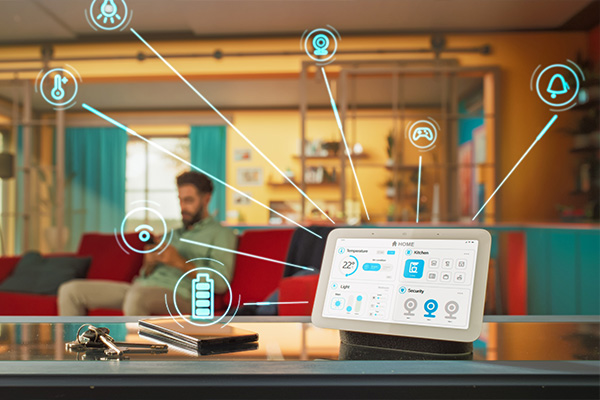
How New IoT Technologies Shape Modern Product Design
The Internet of Things (IoT) is transforming product development by integrating smart connectivity, real-time data, and edge intelligence into devices across industries. Modern products aren’t just functional—they’re connected, responsive, and capable of continuous improvement through software and sensor feedback.
In this article, we explore the key IoT technologies influencing product design today, highlighting practical applications and considerations for engineers developing connected devices.
1. Low-Power Wide-Area Networks (LPWAN) for Extended Connectivity
LPWAN technologies such as LoRa, Sigfox, and NB-IoT enable long-range, low-power communication for devices that need to operate in the field for years without frequent battery changes.
Key considerations for product design:
• Choose modules and antennas optimized for LPWAN frequency bands to maximize range and reliability.
• Design devices to operate efficiently at very low power consumption to extend battery life.
• Account for regional regulations and certifications to ensure compliance with FCC, CE, or local standards.
• Incorporate fail-safes and firmware updates over-the-air (OTA) to maintain long-term connectivity.
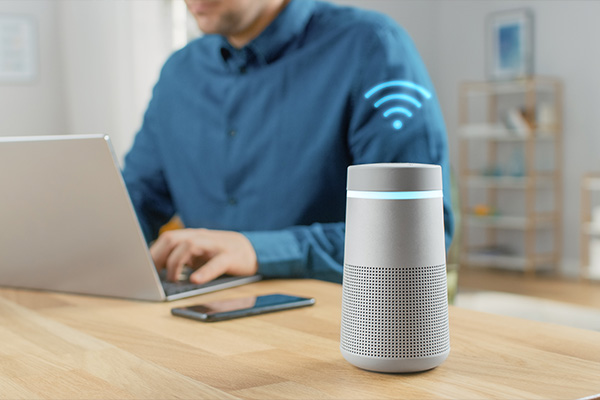
2. Bluetooth Low Energy (BLE) for Localized Communication
BLE remains a dominant protocol for short-range IoT connectivity, ideal for wearables, consumer electronics, and smart sensors.
Design tips include:
• Optimize antenna placement and PCB layout to minimize signal interference and maximize range.
• Integrate low-power sleep modes to preserve battery while maintaining fast wake-up times.
• Consider BLE mesh networks for scalable multi-device setups in industrial or commercial environments.
• Secure data transmission through encryption and authentication mechanisms to protect sensitive information.
3. Edge Computing and Local Intelligence
Processing data locally on the device, rather than sending everything to the cloud, reduces latency, improves privacy, and enhances responsiveness for real-time applications.
Implementation strategies:
• Use microcontrollers or system-on-chips (SoCs) capable of handling AI/ML inference at the edge.
• Design firmware to balance computational load and power consumption efficiently.
• Plan for modular updates, so edge logic can evolve without replacing hardware.
• Integrate sensor fusion techniques to combine multiple data streams into actionable insights.
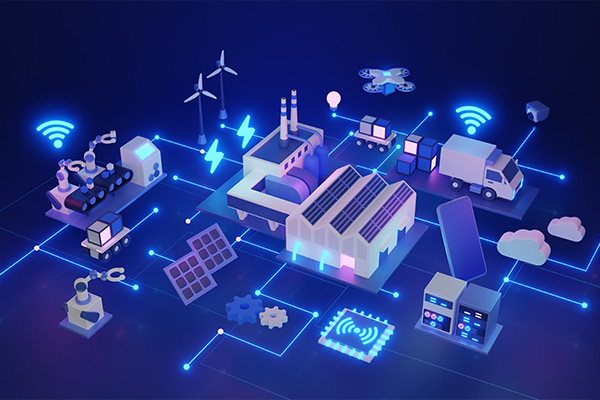
4. Advanced Sensor Integration
Modern IoT products rely on a variety of sensors, from accelerometers and gyroscopes to temperature, humidity, and environmental sensors.
Design considerations include:
• Ensure proper sensor placement to capture accurate data while minimizing noise and interference.
• Evaluate sensor power consumption, range, and calibration requirements for long-term reliability.
• Use modular sensor interfaces for flexible upgrades and maintenance.
• Consider environmental conditions like vibration, moisture, or temperature extremes when selecting and housing sensors.
5. Security and Data Management
As IoT devices collect sensitive data, security must be part of the product design process from day one.
Best practices:
• Implement secure boot, encryption, and hardware-based authentication for devices.
• Provide firmware update mechanisms that are tamper-resistant and support OTA updates.
• Plan data storage and cloud integration to comply with privacy regulations (GDPR, HIPAA, etc.).
• Ensure lifecycle management to decommission devices safely at the end of their operational life.

Conclusion
New IoT technologies—from LPWAN and BLE to edge computing and advanced sensors—are shaping the way modern products are designed, connected, and maintained. Thoughtful integration of these technologies enables devices to be smarter, more efficient, and better aligned with real-world user needs.
At SOENCO, we specialize in end-to-end IoT product development, combining embedded systems, wireless connectivity, and software integration to create reliable, connected solutions. If your next product involves IoT, we can help you design devices that perform, communicate, and evolve.
Contact us today to explore how IoT technologies can enhance your product development.
Here are testimonials from clients..


Contact us now for immediate support!